


Designing an experiment that measures responses to images using a Likert Scale

Hello everyone,
I'm a complete novice to this program, but very excited at the possibilities. I've just finished the first tutorial, and am now trying to design a mini experiment in which I ask respondents to rate images using a Likert Scale. I've already downloaded the plug-in (https://osdoc.cogsci.nl/2.8.3/plug-ins/questionnaire-plug-ins/), but I'm struggling with:
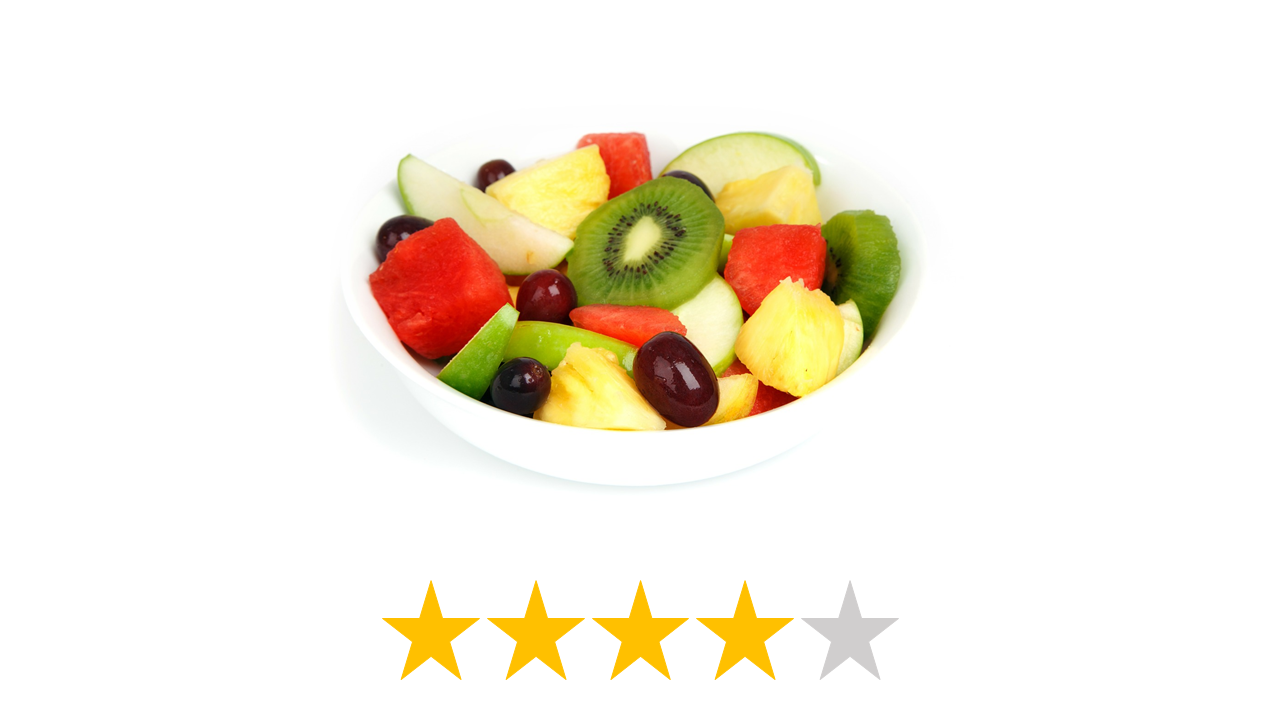
1) finding information about how to have both the image and the rating scale on the same screen (as in, the respondent must rate the image before they can move on to the next one). See image below as an example of how I want the screen to look (with an example 4 star rating):
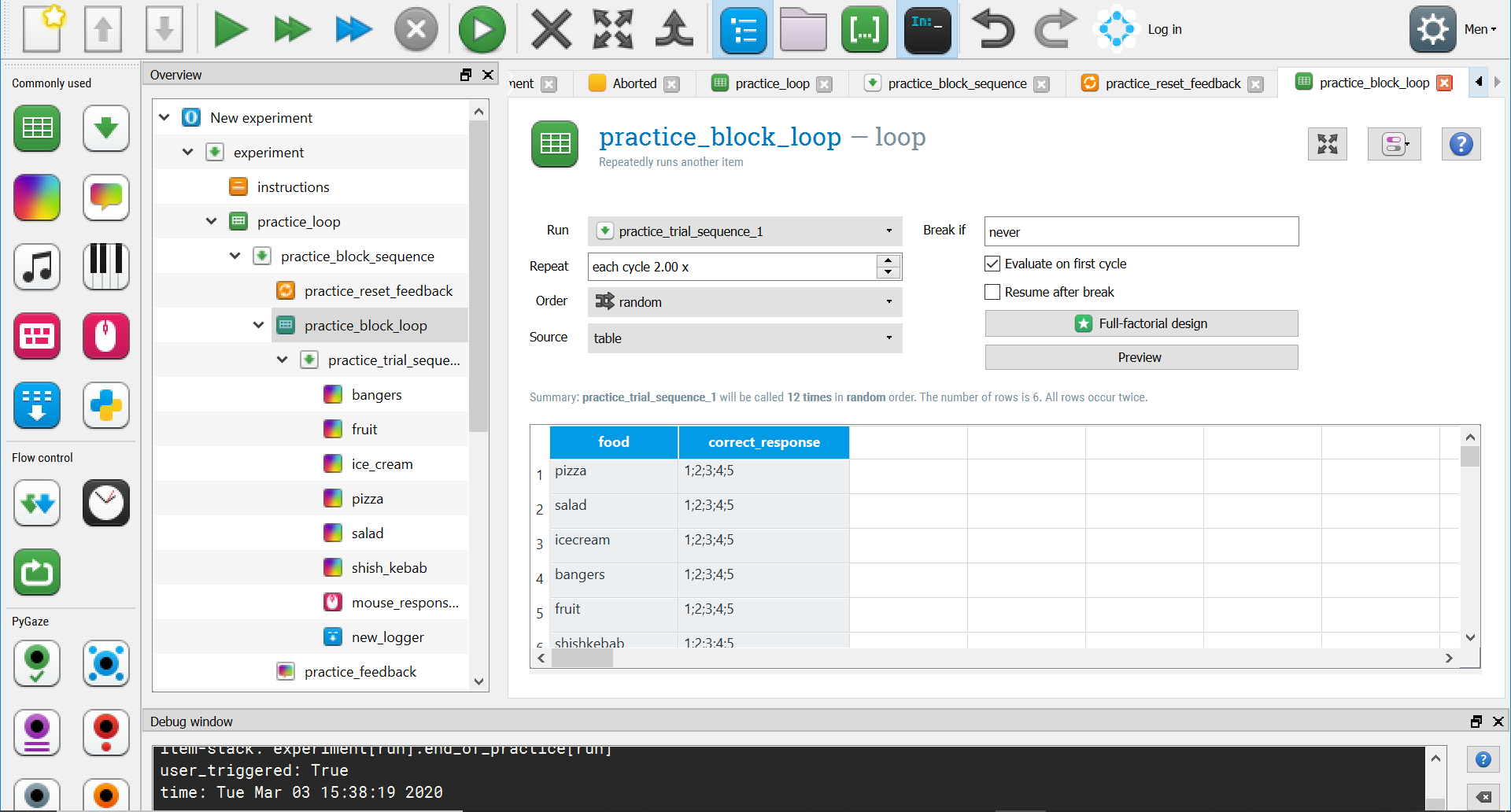
2) the "correct response": the variables are simply the images and the respondent ratings... thus, all responses are correct, although I need to see how many 1 star votes an image got, for example. What would I put as "correct response"? This is my attempt so far, but I'm starting to get the sense that I'm way off the mark...
3) if there is in fact a tutorial that addresses the above questions, I'd like to know!
Thanks,
Kate
Comments
Hi Kate,
1) Don't use that plugin, but try using forms: https://osdoc.cogsci.nl/3.2/manual/forms/about/
They are exactly what you need to create questionnaire-like experiments. In your example, you would add an image widget (element of a form) for the food, and a rating item for the rating. If you can use Python coding, you can even customize the rating to your liking (e.g. the stars need to be custom made).
2) I don't see why you would need a correct_response defined if people have to indicate their opinion. In a form you get as response to actual value, e.g. 1 in case of number of stars. Across participants you can then get the average rating of an image. If this is what you had in mind?
3) I am not sure whether there are any tutorials on forms, but I don't think so.
Does this provide you with enough information to get you started? Let us know if you need more help.
Eduard